Edge-Native Quality Execution Platform
Excel 검수 체크리스트의
시대를 끝낸다
고부가가치 산업 설비의 출하 검수가 여전히 Excel과 수기 입력에 묶여 있다.
ActiveQC는 장비와 직접 통신하며 테스트를 능동적으로 실행하고,
위변조 불가능한 디지털 품질 자산을 생성한다.
5-Layer
구현 완료된 아키텍처
0건
휴먼 에러 (자동 판정)
1초
발주처 리포트 자동 생성
BDD
Gherkin 파싱 엔진 내장
Problem
출하 검수, 지금
이렇게 하고 있습니다
수억 원짜리 설비의 검수가 여전히 Excel 체크리스트와 수기 입력에 의존한다.
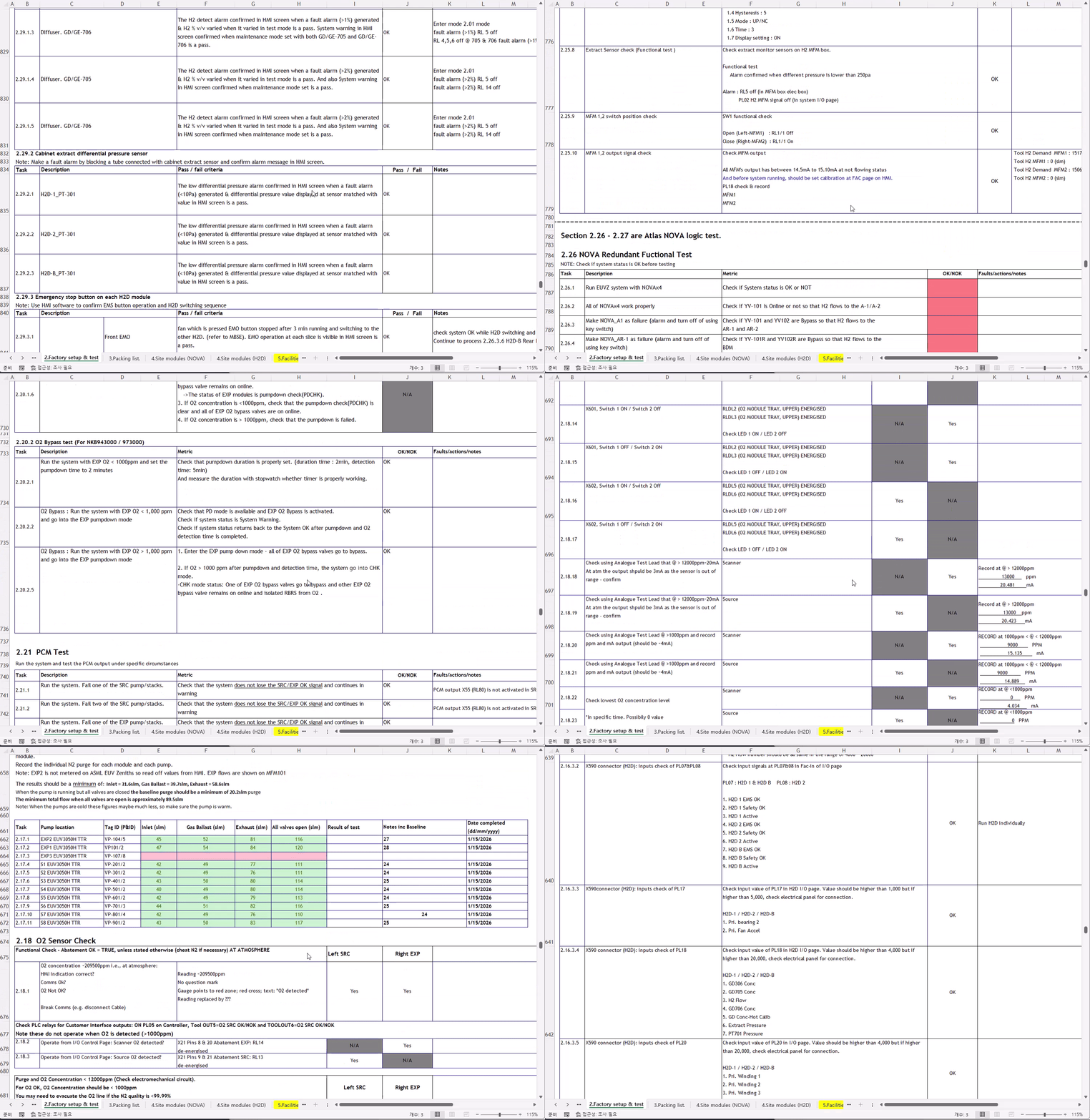
현재 현장Excel 기반 수기 검수 체크리스트 — 셀 병합, 수동 입력, 서명란
| 현재 방식 | 문제 |
|---|---|
| Excel 체크리스트 수기 작성 | Pass만 남기고 실패 히스토리 전부 소실 |
| 시스템 변경 시 절차서 전체 수작업 편집 | 셀 병합, 섹션 번호 재설정, 섹션마다 모두 다른 구조 |
| 구두 전달 · 암묵적 프로세스 | 숙련자 없으면 업무 중단, 판정 기준이 사람마다 다름 |
| 명시적 추적성 미확보 | 채팅 · 전화 · Word · Excel · 이메일에 분산 — 이슈 발생 시 역추적 불가 |
| 수작업 보고서 작성 | 테스트 끝나도 보고서 정리에 추가 시간 소요 — 증거력 약화 |
| 높은 커뮤니케이션 비용 | 이슈 발생 시 유관 담당자에게 맥락 전파 비용 발생 |
데이터가 남지 않으면 분석도, 개선도 없다
Approach
두 가지 축으로
접근합니다
기록만 하는 시스템이 아니라, 반복 작업은 자동화하고 모든 수행 과정을 데이터로 남긴다.
축 1
데이터화
— 남기고, 추적한다
— 남기고, 추적한다
- 테스트 절차서 DB화 — Excel·Word에 흩어진 절차를 일원화
- 수행 기록 전체 저장 — 정의(절차서)와 실행(수행)을 분리
- 이슈·조치 이력 단일 시스템에서 관리
- Follow-up Action 추적 — 이슈 해결까지 맥락 보존
축 2
자동화
— 반복 작업은 기계가 한다
— 반복 작업은 기계가 한다
- 설비 직접 연결 — 신호 읽기/쓰기 자동
- Pass/Fail 자동 판정 — 검사자 편향 제거
- 결과 보고서 자동 생성 — 버튼 하나로 발주처 제출용 DOCX
- Cloud → Edge 절차서 배포 — 어떤 현장도 동일한 기준 적용
결과 — 모든 테스트 과정이 기록되고, 반복 작업은 자동화됩니다
BDD 실행 파이프라인
01
Gherkin 시나리오
→
02
BDD 파싱 엔진
→
03
Protocol Driver
→
04
PLC / 설비
→
05
Pass/Fail 판정
시나리오 예시 — 속도 제어 검증
Given 설비가 가동 중이고 현재 속도가 0 rpm 일 때
When 속도 명령 1200 rpm 을 Modbus reg 0x0031 에 전송한다
Then Modbus reg 0x0032 응답값이 1200 ±5% 이내여야 한다
✓ PASS실측값 1195 rpm — 허용 오차 이내 → 판정 통과, DB 저장
System
OQC Manager + OQC Edge
2-Tier 아키텍처
Cloud에서 절차를 관리하고, 현장 PC에서 장비와 직접 통신하며 테스트를 실행한다. 기획서가 아닌 실제 구동 중인 시스템이다.
Cloud · OQC Manager
절차 관리 · 통계 · 보고서
- 테스트 절차서 생성 · 편집 · 관리
- 전체 테스트 통계 대시보드
- 발주처용 DOCX 보고서 자동 생성
- Edge 설치 패키지 배포
- 사용자 권한 관리 (RBAC 5역할)
현장 PC · OQC Edge
테스트 실행 · 설비 연결
- 절차서 다운로드 후 현장 실행
- 테스트 수행 — Pass / Fail 입력 + 이미지 첨부
- 실제 설비 연결 · 신호 수집
- 결과 서버 업로드
- 네트워크 단절 시에도 독립 실행
↕ 산업용 통신 프로토콜 — 실제 설비 직결
Browser / React SPA
REST API
FastAPI Server
PostgreSQL · RBAC · 카탈로그 관리 · 보고서 생성
WebSocket / Sync
OQC Edge Agent
현장 PC · BDD 시나리오 실행 · Offline-first
Modbus TCP
MQTT
PLC / Controller
설비 신호 읽기·쓰기 · 자동 판정 · 실시간 계측
Edge-Server 동기화 시퀀스
Cloud Manager
- 카탈로그 버전 관리
- 절차서 배포 · 업데이트
- 결과 수신 · 대시보드
- DOCX 보고서 자동 생성
▶
절차서 배포
테스트 카탈로그 · 시나리오 Push
네트워크 단절
Edge 로컬 캐시로 독립 실행 유지
◀
결과 동기화
재연결 시 자동 sync · 결과 · 증빙 · 타임스탬프
Edge Agent
현장 PC
현장 PC
- 절차서 로컬 캐시
- BDD 시나리오 실행
- 설비 직결 · 자동 판정
- 오프라인 독립 실행
테스트 케이스 분류
자동화 수준에 따라 3단계로 분류됩니다
장비 종류와 검수 항목에 따라 완전자동 · 반자동 · 수동을 혼용합니다.
| 유형 | 방법 | 예시 |
|---|---|---|
| 완전 자동 | 장비에 명령 전송 → 응답 자동 판정 | 설비 기동/정지, 속도 설정, 계측값 자동 확인 |
| 반자동 | 설비 값 읽기 + 현장 트리거 필요 | 계측 시작을 사람이 트리거 → 이후 수집·판정 자동 |
| 수동 | 육안 · 계측기 검사 후 기록 | 명판, 누수 확인, 라벨 등 외관 점검 |
완전자동 + 반자동 = 데이터 자동 수집 + 자동 판정 / 수동 = 체계적 기록 + 이미지 첨부 — 어떤 방식이든 모든 결과가 DB에 남는다
실제 구동 화면 — 2026.04.20 GM·임원 현장 데모
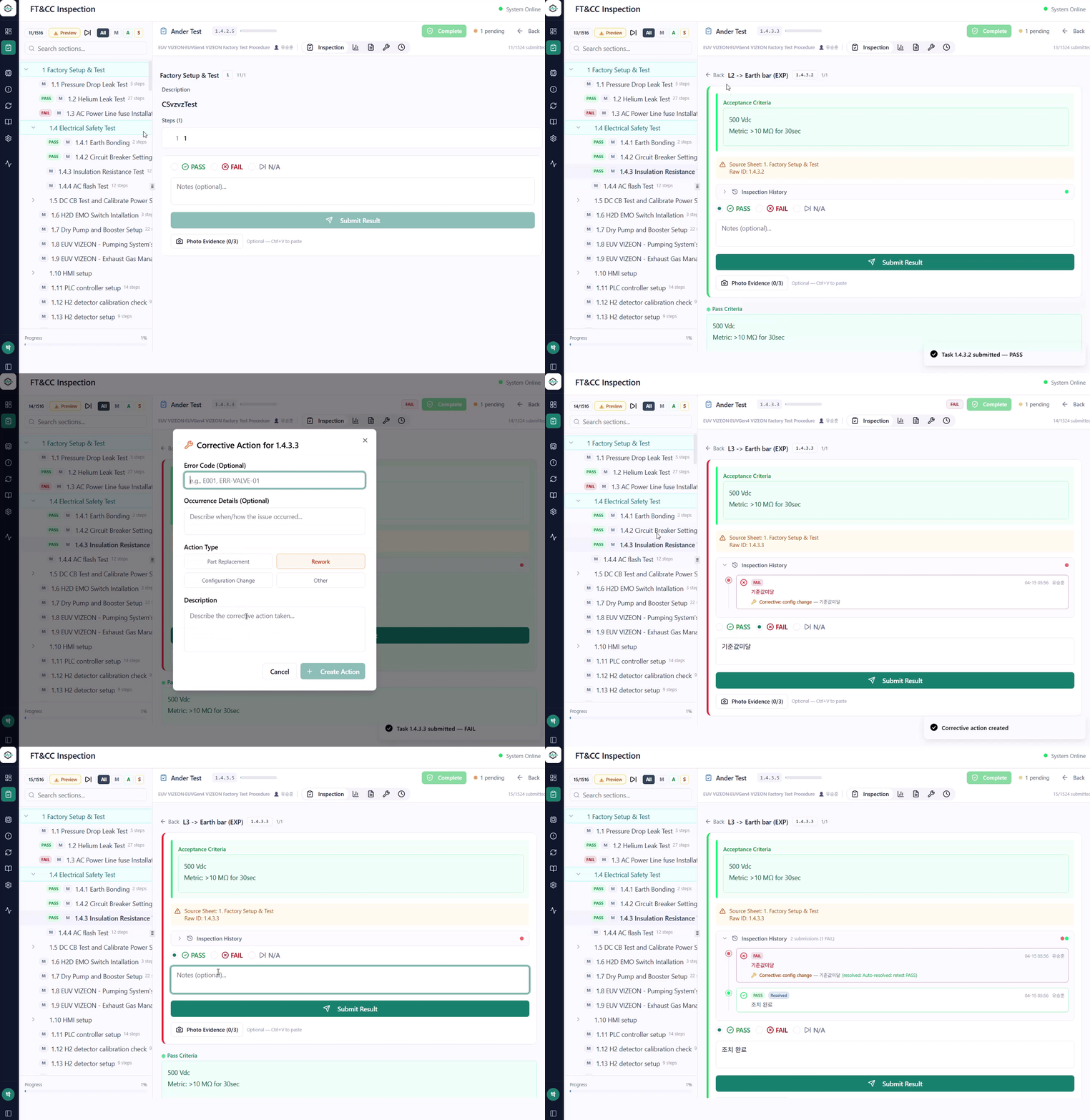
Manager테스트 카탈로그 편집 · Cloud 배포
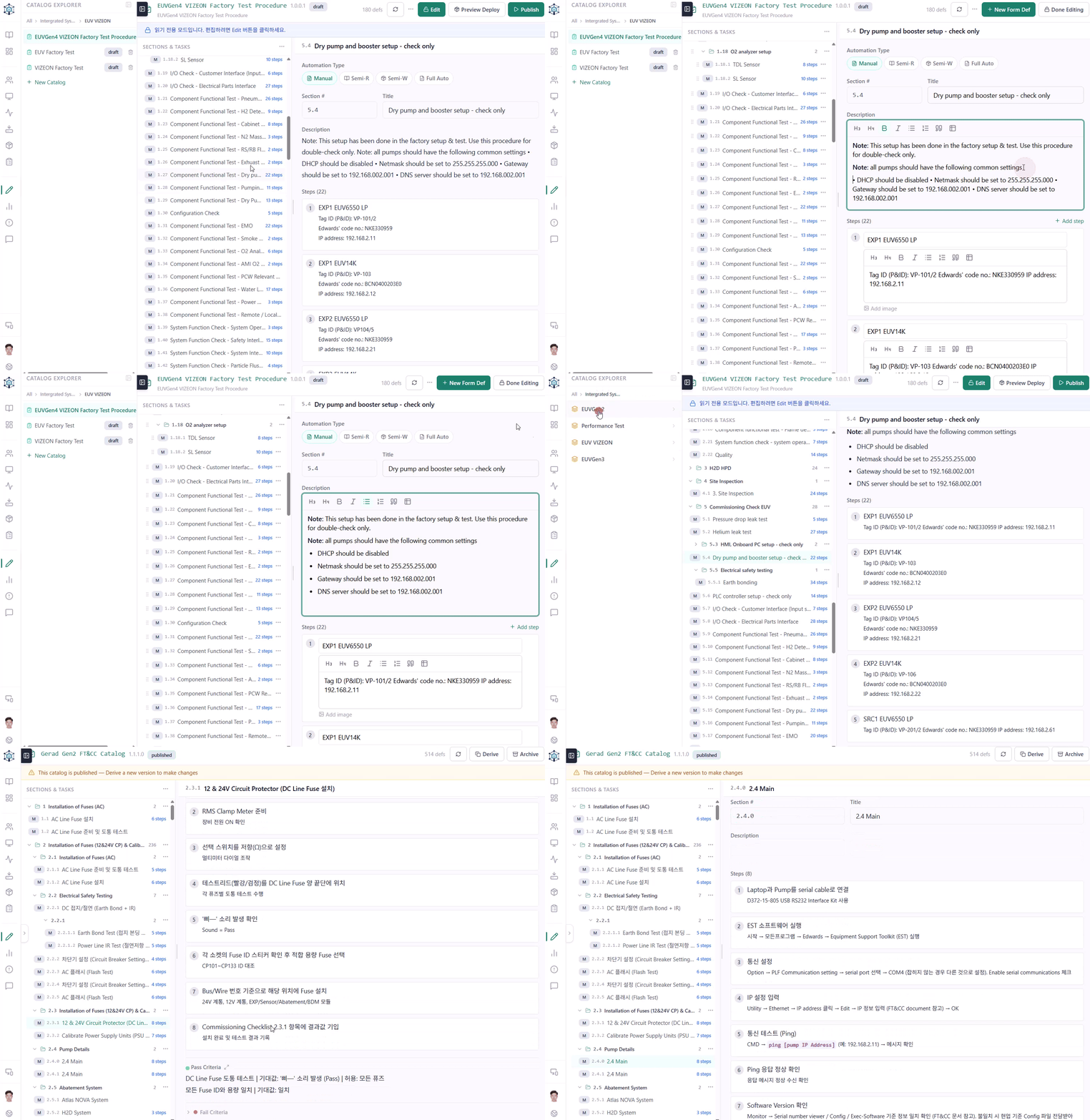
Edge현장 테스트 실행 · Pass/Fail 판정
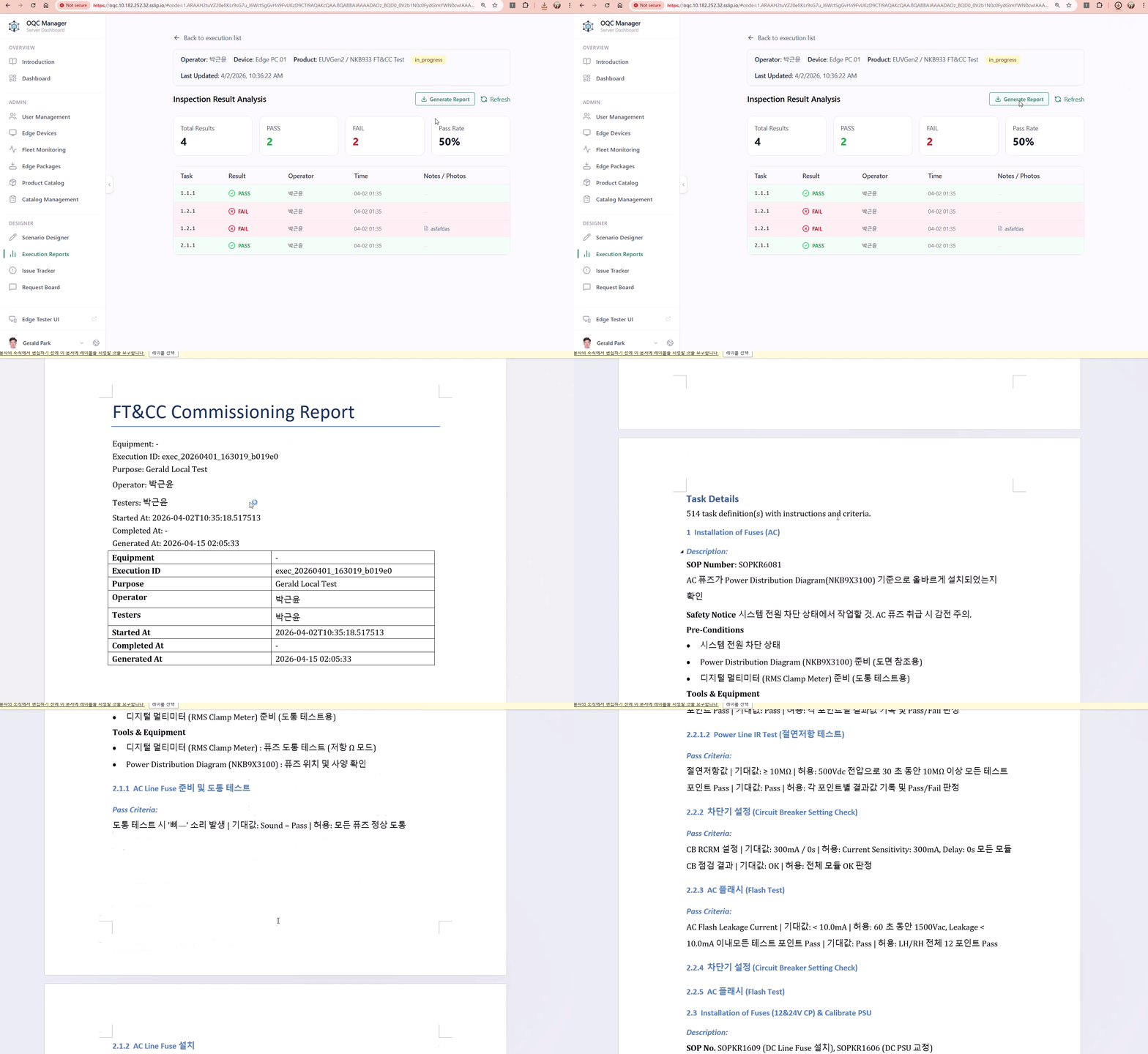
Manager발주처용 DOCX 리포트 자동 생성
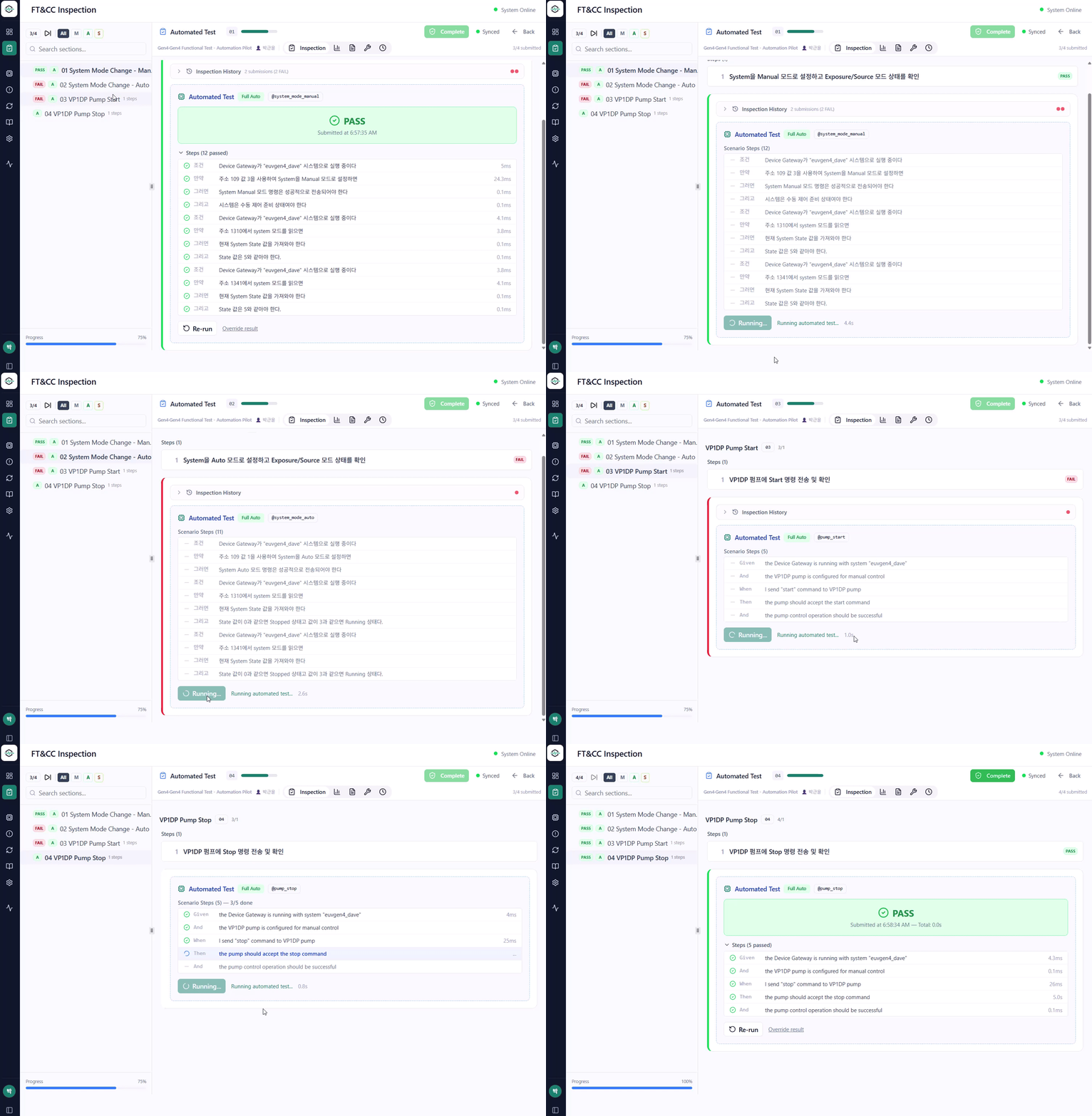
EdgeGherkin 시나리오 → 장비 직결 자동 테스트
Before / After
도입 전후,
무엇이 달라지나
Excel 기반 수기 검수와 ActiveQC 도입 후의 차이.
| 이전 (Excel 기반) | ActiveQC 이후 | |
|---|---|---|
| 기록 방식 | Excel · 기억에 의존 | 모든 수행 기록 DB 저장 |
| 판정 기준 | 검사자마다 다른 판정 | 자동 판정 기준 일관 적용 |
| 보고서 생성 | 수작업, 추가 시간 소요 | 버튼 하나로 DOCX 즉시 생성 |
| 이슈 추적 | 이메일 · 메모에 분산 | 단일 시스템에서 이슈 · 조치 추적 |
| 데이터 분석 | 데이터 없음 → 분석 불가 | 누적 데이터 → 통계 · AI 분석 가능 |
Roadmap
지금이 시작입니다
향후 확장 계획
실제 현장 검증을 기반으로 단계적으로 확장한다.
01
현장 배포 · 피드백 반영 · 지속 개선현장 데이터를 기반으로 UI/UX 고도화, 안정성 개선을 지속한다.
02
추가 설비 라인 확대 적용검증된 플랫폼을 추가 설비 라인으로 수평 확장한다.
03
데이터 누적 → 통계 분석쌓인 테스트 결과에서 크리티컬 패스와 패턴을 발견해 예방 정비 인사이트를 제공한다.
04
AI 시나리오 작성 보조 · 자동 요약베테랑 엔지니어의 암묵지를 AI가 시나리오로 변환하고, 결과 요약 리포트를 자동 생성한다.
Traction
기획서가 아니라
실제로 동작한다
실제 산업 설비와 직결하여 검증된 구현체. GM·임원 앞에서 현장 라이브 데모를 완료했다.
✅
5-Layer 아키텍처
구현 완료
구현 완료
✅
BDD/Gherkin
파싱 엔진 구현
파싱 엔진 구현
✅
설비 직결
자동 판정 엔진
자동 판정 엔진
✅
RBAC 5역할
권한 시스템
권한 시스템
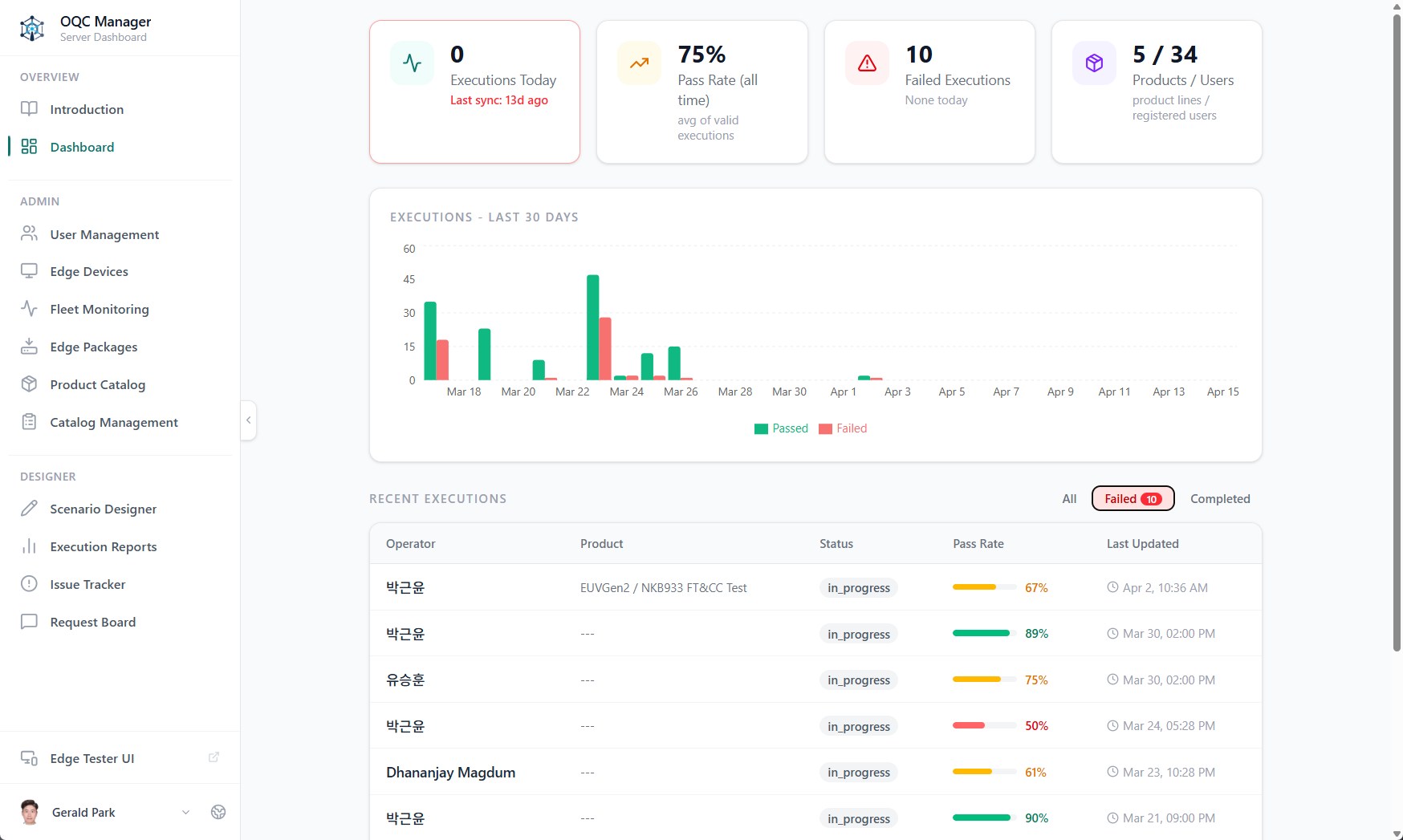
Manager실시간 테스트 현황 대시보드 — 실제 현장 운영 화면
Contact
pjy8412@gmail.com